
De jaarwisseling is traditioneel aanleiding voor lijstjes. De donkerste dagen van het jaar zijn kennelijk geschikt om de balans op te maken. Van de beste oliebollenbakkers van het AD, de Top 2000 van Radio 2, tot de landen die in de ogen van the Economist er het beste van afbrachten in 2015.
Dat was Myanmar overigens. Vijf jaar geleden mochten media zelfs geen foto van Aung San Suu Kyi publiceren, maar in november 2015 won zij de verkiezingen met 77% van de stemmen. Er is dus licht in de duisternis. Heel soms.

Dat geldt niet voor het geweld tegen journalisten. De Internationale Federatie van Journalisten (IFJ) en andere persvrijheidsorganisaties publiceerden hun macabere lijstjes van journalisten die in 2015 werden gedood bij de uitoefening van hun beroep. De IFJ telde 109 journalisten die werden vermoord of die omkwamen bij gewelddadige incidenten die ze fotografeerden, filmden of anderszins versloegen. Volgens de IFJ, waar journalistenbonden uit de hele wereld bij zijn aangesloten, waren in 2015 Zuid-Amerika en het Midden-Oosten de gevaarlijkste regio’s met respectievelijk 27 en 25 gedode journalisten.
Andere organisaties publiceerden eveneens hun statistieken, die lichtjes van elkaar verschillen, maar uiteindelijk wel dezelfde trends bevestigen: 2015 was een bloedig jaar voor de journalistiek en met name het jihadistisch geweld van IS en aan al Qaeda verbonden groepen eisten een hoge tol.
Het Committee for the Protection of Journalists telde 69 journalisten en drie andere mediawerkers die vanwege hun beroep waren gedood; 25 gevallen van gedode journalisten waren nog in onderzoek. Reporters Without Borders heeft een ‘barometer’ die eind 2015 op 64 bevestigde gevallen van gedode journalisten stond, zes andere mediawerkers (bijvoorbeeld tolken, chauffeurs, fixers) en 18 bloggers en burgerjournalisten werden eveneens vermoord. De Death Watch van International Press Institute telde 98 bevestigde gevallen van moord, waarvan 39 journalisten die door extremistische moslimgroepen waren gedood.
De verschillen in de cijfers worden verklaard doordat de organisaties niet exact dezelfde criteria hebben, niet overal ter wereld even actief en aanwezig zijn (met uitzondering van de IFJ) en journalisten pas toegevoegd worden aan de treurige statistieken als onomstotelijk is vastgesteld dat ze inderdaad bij de uitoefening van hun beroep zijn overleden.
De bij de jaarwisseling gepubliceerde lijstjes zijn nog niet definitief. Volgens IPI is er gerede kans dat het dieptepunt van 2012, toen 133 journalisten vanwege hun werk werden gedood, ook in 2015 wordt gehaald of dat de eindbalans zelfs nog dramatischer wordt.
Het spreekt haast vanzelf dat de IFJ en andere organisaties eind december een beroep deden op regeringen overal ter wereld en op de VN om een einde te maken aan de straffeloosheid. De meeste moorden van journalisten in bijvoorbeeld de Filipijnen en Latijns-Amerika blijven onbestraft. Ook klonk de roep om nationale en internationale wet- en regelgeving toe te passen, die journalisten bescherming moeten bieden. Journalisten zijn burgers die gewoon hun werk doen en ze zijn wel een heel gemakkelijke prooi voor malafide lokale autoriteiten, drugsbaronnen en milities die meestal nog vrijuit gaan ook.
Wat ik de meest beangstigende ontwikkeling vind is de toename van gerichte aanvallen op (burger-) journalisten door organisaties die met al Qaeda verbonden zijn en door de Islamitische Staat-groep. Regimes die weinig op hebben met persvrijheid zijn niets nieuws. Lakse, corrupte bestuurders of criminelen die de pest hebben aan openbaarheid zijn sinds jaar en dag de vijanden van het vrije woord. Maar een jihad tegen de medewerkers van Charlie Hebdo of het gericht vermoorden van Syrische of Iraakse journalisten en media-activisten die de misdaden van IS aan de kaak stellen: dat is relatief nieuw, althans in de omvang van 2015.
Deze jihad belichaamt niet alleen een kolossaal, fysiek gevaar voor kritische journalisten, maar belemmert ook de vrije nieuwsgaring in grote delen van het Midden-Oosten. En dat heeft weer tot gevolg dat de publieke opinie, zowel de lokale en de internationale, minder goed geïnformeerd is.
Onafhankelijke journalistiek die simpelweg wil vertellen wat er gebeurt en waarom, wordt –vergeef mij de morbide metafoor- het mes op de keel gezet. Er is sprake van een fanatieke, ideologische stroming die trots is op het vermoorden van kritische geesten, die vijandig staat ten opzichte van journalistiek, absoluut in zijn eigen propaganda gelooft en op geen enkele manier andersdenkenden duldt.
In de confrontatie met deze stroming staan (burger-) journalisten in de voorste linies. Misschien nog wel meer dan de bommenwerpers van de coalitie. Want uiteindelijk is informatie essentieel en is het vooral een ideeën strijd die gewonnen moet worden.
IFJ CALLS FOR INTERNATIONAL PROTECTION FOR JOURNALISTS AFTER 109 KILLINGS IN 2015
05 January 2016
2015 has been another deadly year for journalists, with at least 109 journalists and media staff killed in targeted killings, bomb attacks and cross-fire incidents, according to the International Federation of Journalists (IFJ).
The IFJ 2015 List names the 109 journalists and media staff killed across 30 countries, together with 3 who died of accidental deaths. It marks a small drop from last year when 118 killings and 17 accidents were recorded.
This year, the killing of journalists in the Americas topped the toll, at 27 dead. For the second year in a row, the Middle East comes second, with 25 deaths. Asia Pacific comes third, with 21– a drop on last year due to the big fall in violence in Pakistan. Africa is in fourth place with 19 dead, followed by Europe with 16.
2015 was marked, in particular, by an increase in targeted terrorist attacks against journalists. French journalists paid a disproportionately high price when terrorists gunned down media workers at the French satirical magazineCharlie Hebdo in Paris. In the United States, the killing by a disgruntled ex-employee of two former colleagues at US TV WDBJ in Virginia took place in front of a global TV audience during a live transmission.
“I reiterate once again my call to UN Secretary General Ban Ki-moon and the heads of UN agencies to enforce international laws protecting journalists. The attacks in Paris shocked the world and put on the world stage the tragedy of the drip-drip slaughter of journalists worldwide, which are today the only professional group that pays so dearly for just doing the job,” said Jim Boumelha, IFJ President. “Sadly, there were scores of unreported killings and unless the journalist is a well-known by-lined correspondent the world barely notices. Journalism is put daily to the sword in many regions of the world, where extremists, drug lords and reckless warring factions continue murdering journalists with impunity.”
In the Middle East, the IFJ has recorded an escalation of violence targeting media professionals by extremists in Iraq and Yemen, where there was a spike in killings and kidnappings, mainly of local journalists covering their cities, communities and countries.
In Latin America, the killings are mostly at the hands of drug lords who operate across borders, particularly in Mexico, putting journalists who investigate drug trafficking in the region at greater risk.
In the Asia Pacific, the IFJ has witnessed a spiraling climate of hostility toward media workers in the Philippines that has seen 7 journalists killed across the country and makes Philippines the deadliest place in the region. The Federation is particularly concerned over the state of impunity that surrounds killings of media workers in the country.
The Federation, which will publish its 25th full report on journalists and media staff killed in January 2016, says the momentum in recent years to promote greater media protection must lead to genuine steps to curb violence on media professionals. The Federation is urging the UN to take concrete measures and a strong stand against impunity for crimes targeting journalists.
The Federation has also been one of the main initiators of the Council of Europe’s Online Platform for the promotion of journalism and the safety of journalists, which has now become one of the most trusted observatories to record violations of journalists’ rights across Europe, with a view to promoting their safety.
“The IFJ reports over the last 25 years have clearly shown that journalists and media staff have become easy targets because there is very little respect for national and international laws that are supposed to protect them,” added Anthony Bellanger, IFJ General Secretary. “The current levels of violence against media workers have served as a wake-up call. They have opened a small window of opportunity to take drastic action to enforce these legal provisions, which should not be missed.”
The statistics on journalists and media staff killed in 2015 are as follows
As of 31 December 2015, the IFJ has recorded the following cases of killings:
– Targeted, bomb attacks and cross-fire killings: 109
– Accidents and Natural Disasters Related Deaths : 3
– Total Number of Deaths: 112
Among countries with the highest numbers of media killings are:
France: 11
Iraq: 10
Yemen: 10
Mexico: 8
India: 7
Philippines: 7
Honduras: 6
South Soudan: 6
Syria: 5


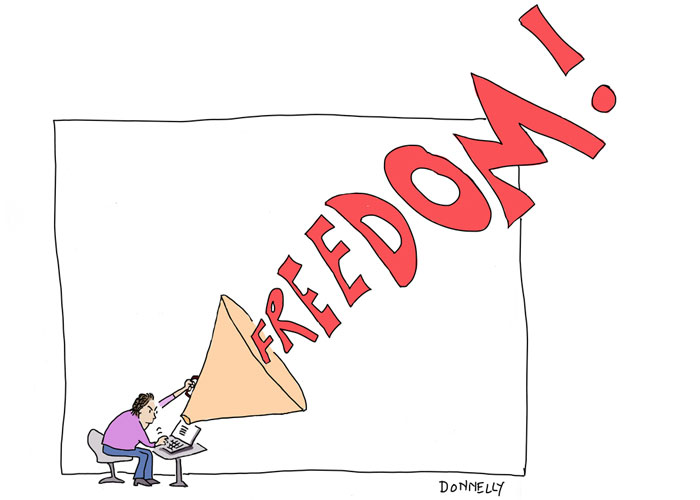

 Focus on Media Freedom