
Voor Mohammed Abu Afash kan zondag niet snel genoeg komen. Zondag 19 januari zal in principe het akkoord tussen Israël en Hamas in werking treden. De Israëlische aanvallen zouden dan in principe moeten stoppen, de eerste gijzelaars vrijkomen en de Rafah-grensovergang tussen Egypte en Gaza heropenen. Dat betekent dat de eerste zieken en zwaargewonden, die urgent medische hulp nodig hebben, Gaza kunnen verlaten en dat er meer humanitaire hulp Gaza binnengelaten kan worden.
‘Beste Jan, ondanks alle pijn en verwoestingen ben ik erg blij,’ schrijft Mohammed me vrijdagochtend. Dit is het staakt-het-vuren waar de bevolking in Gaza al zo lang naar uitkeek. Mohammed verloor zijn huis en zijn winkel tijdens de oorlog. Zijn drie dochtertjes Eiaa, Aliaa en Layan konden niet naar school. De familie moest verschillende keren vluchten en leefde de afgelopen maanden in Mawasi, een tentenkamp in het zuiden van Gaza voor ontheemde Palestijnen. Het kamp was door Israël aangewezen als ‘veilige zone’, maar echt veilig was het er niet. Verschillende keren waren er luchtaanvallen op het kamp, in sommige gevallen gevaarlijk dicht bij de tent van de familie Abu Afash. Daags voor kerst was er nog een aanval waarbij granaatsplinters hun tent beschadigde. Gelukkig kwam het gezin met de schrik vrij, maar enkele meters verderop vonden zeven Palestijnen de dood in brandende tenten.
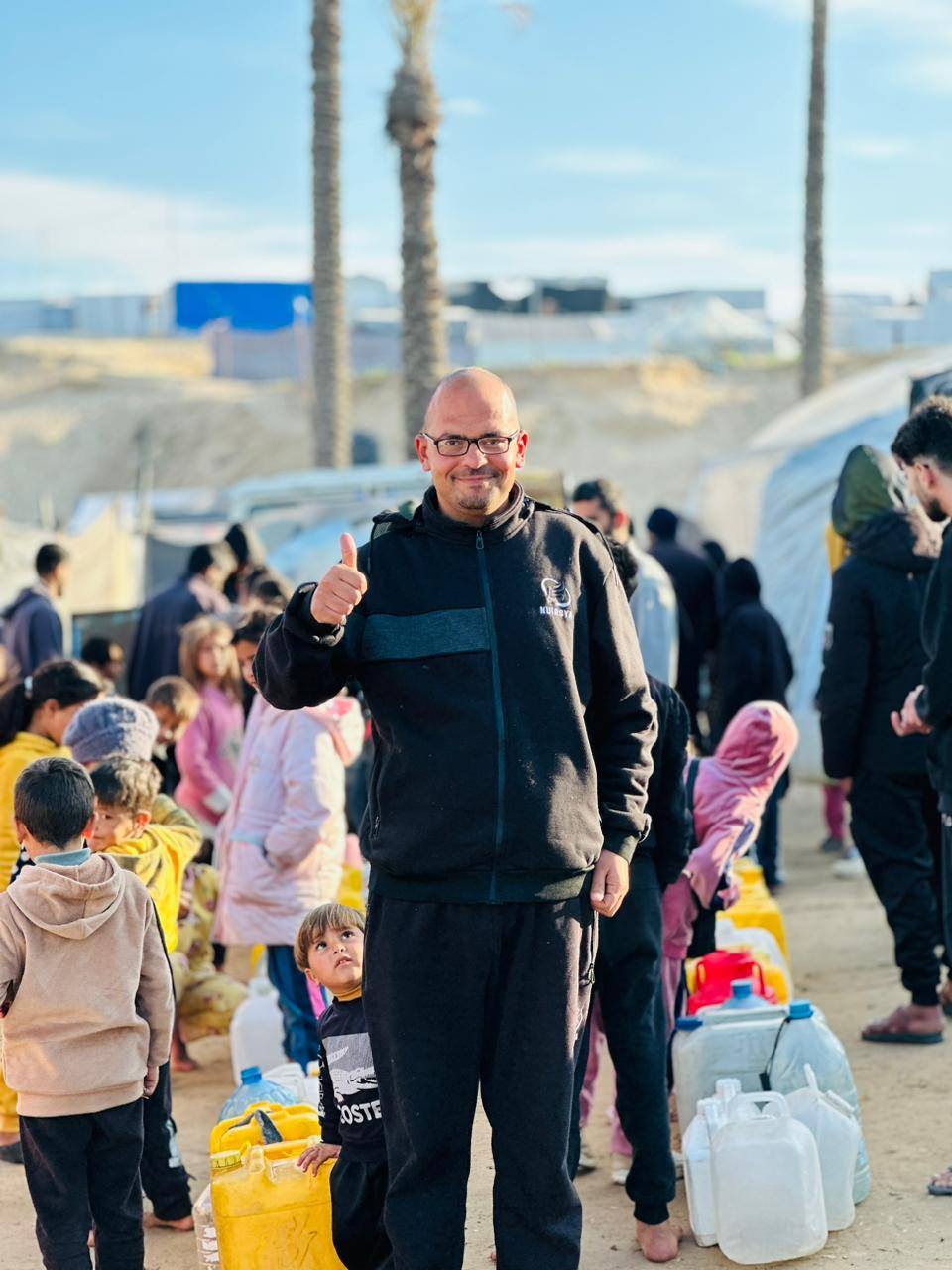
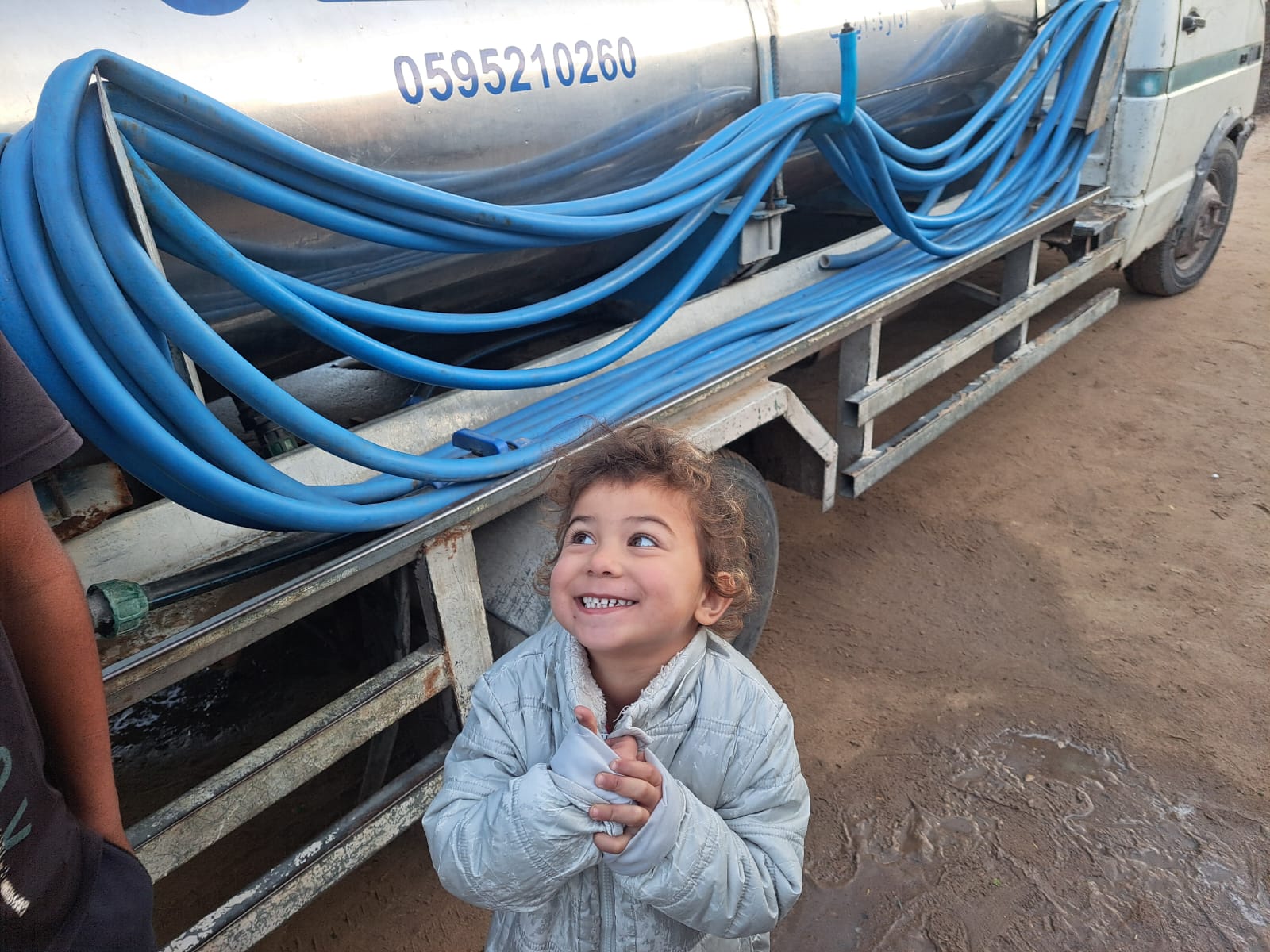
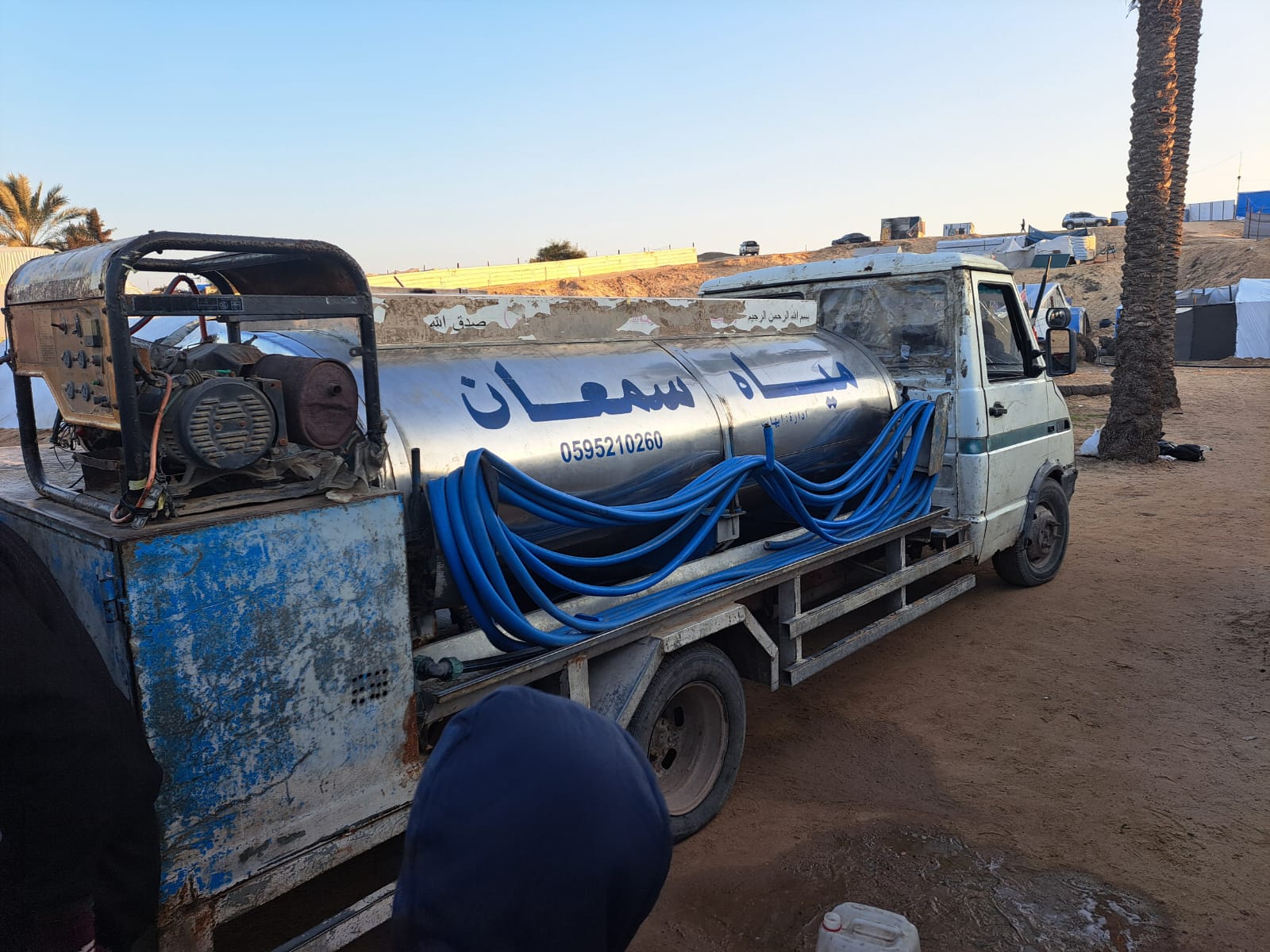
Sinds maart loopt onze crowdfunding voor de familie van Mohammed. Als zijn telefoon bereik had hield hij me, via Whatsapp, op de hoogte van het leven in het vluchtelingenkamp: van de ontberingen, de kou, de vermoeidheid, de onzekerheid en het geweld. Een paar weken geleden liet Mohammed een tankwater met drinkwater komen voor zijn sectie van het kamp (zie de foto’s). Het ingezamelde geld was niet alleen voor hem en zijn gezin, maar ook voor de mensen om hem heen.
Hoe het nu verder gaat is onduidelijk. Al in april hebben we, met de opbrengst van deze crowdfunding, “coördinatiegeld” betaald in Cairo zodat de familie kan uitreizen naar Egypte. Of en wanneer het vertrek naar Egypte alsnog zal plaatsvinden moet in de komende tijd duidelijk worden. Voorlopig blijft de familie in Mawasi en is het gevaar nog niet geweken. In de uren na de bekendmaking van het akkoord voerde Israël nog aanvallen uit waarbij 73 Palestijnse doden vielen. Het akkoord is nog niet van kracht en er zijn nog een aantal losse eindjes, waarbij beide partijen elkaar beschuldigen van kwade trouw.
Op verzoek van Mohammed gaan we door met de crowdfunding. Het ingezamelde geld blijft hij gebruiken voor de aankoop van voedsel, water, dekens enzovoorts, voor zijn gezin en naaste omgeving. En hopelijk blijft er geld over om straks, in een nieuwe, onzekere fase als de wapens eindelijk zwijgen, een nieuw leven op te bouwen.

https://gofund.me/15bf945e (klik voor donaties)
Ceasefire Can’t Come Soon Enough
For Mohammed Abu Afash, Sunday can’t come soon enough. In principle, the agreement between Israel and Hamas will come into effect on Sunday, January 19. The Israeli attacks should then stop, the first hostages should be released and the Rafah border crossing between Egypt and Gaza should reopen. This means that the first sick and seriously injured people who urgently need medical care can leave Gaza and that more humanitarian aid can be allowed into Gaza.
‘Dear Jan, despite all the pain and destruction, I am very happy,’ Mohammed wrote to me on Friday morning. This is the ceasefire that the people of Gaza have been looking forward to for so long. Mohammed lost his home and his shop during the war. His three daughters Eiaa, Aliaa and Layan could not go to school. The family had to flee several times and in recent months they lived in Mawasi, a tent camp in the south of Gaza for displaced Palestinians. The camp had been designated by Israel as a ‘safe zone’, but it was not really safe there. There were several air raids on the camp, in some cases dangerously close to the Abu Afash family’s tent. The day before Christmas there was another attack in which shrapnel damaged their tent. Fortunately, the family escaped unscathed, but a few meters further on seven Palestinians were killed in burning tents.
Our crowdfunding for Mohammed’s family has been running since March. When his phone had reception, he kept me informed, via WhatsApp, about life in the refugee camp: about the hardships, the cold, the fatigue, the uncertainty and the violence. A few weeks ago Mohammed had a tank of drinking water delivered to his section of the camp (see the photos). The money raised was not only for him and his family, but also for the people around him.
It is unclear what will happen next. In April, we already paid “coordination money” in Cairo with the proceeds from this crowdfunding so that the family can travel to Egypt. Whether and when the departure to Egypt will still take place will have to become clear in the coming period. For the time being, the family will remain in Mawasi and the danger has not yet passed. In the hours after the announcement of the agreement, Israel carried out further attacks that killed 73 Palestinians. The agreement has not yet entered into force and there are still a number of loose ends, with both parties accusing each other of bad faith.
At Mohammed’s request, we will continue with the crowdfunding. He will continue to use the money raised to buy food, water, blankets, etc. for his family and immediate surroundings. And hopefully there will be money left over to build a new life in a new, uncertain phase when the guns finally fall silent.
 Focus on Media Freedom